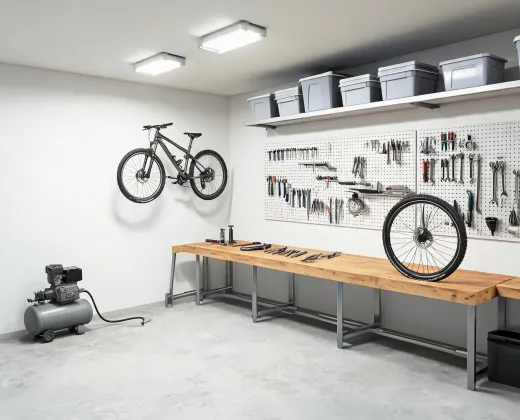
Home Garages
Inflation, brad nailing, cleaning, and weekend repair tasks benefit from low noise and simple storage.
Applications
Different rooms ask different things from compressed air. A finish bench may care most about sound, a casting table may need stable pressure, and a maintenance cart may need portability before tank size. These application stories help match the compressor conversation to the work setting.
Applications
Inflation, brad nailing, cleaning, and weekend repair tasks benefit from low noise and simple storage.
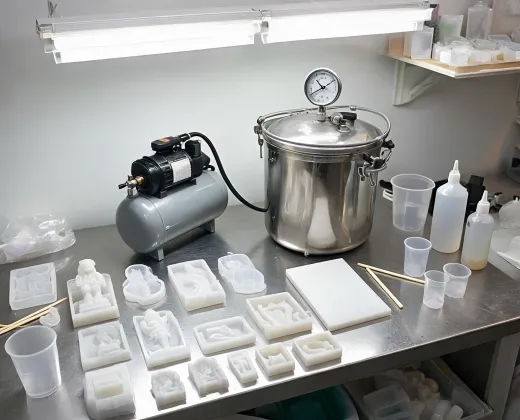
Pressure pots, regulators, and predictable compressor recovery support small-batch resin and coating routines.
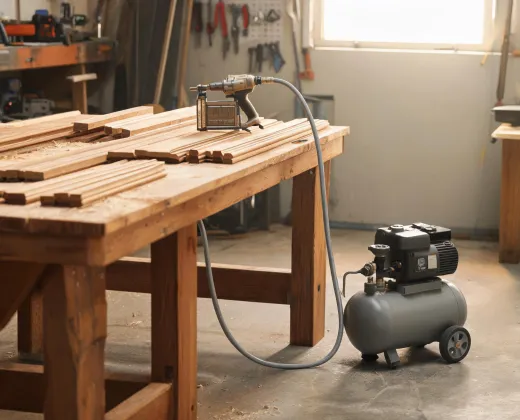
Trim tools need portable air, controlled pressure, and a compressor that does not overwhelm occupied spaces.
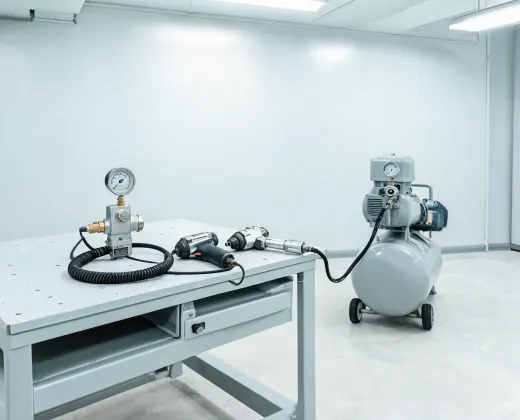
Facilities teams use compressed air for cleaning, light fastening, and compact tool support without adding room stress.
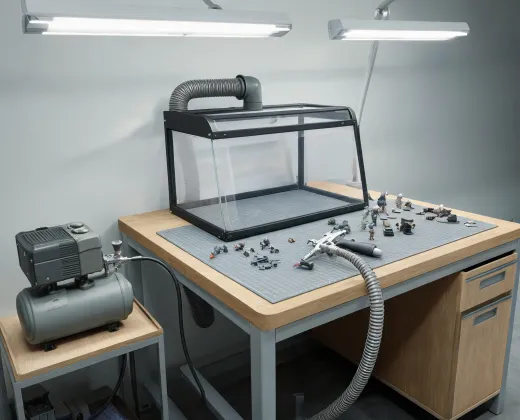
Fine finishing work depends on steady pressure, clean air delivery, and a sound level that keeps concentration intact.
A small maker team moved from a loud utility compressor to a quieter oil-free setup with a compact moisture filter. The change made short pneumatic tasks possible during normal planning calls and reduced the habit of delaying air work until the end of the day.
A casting table needed consistent pressure, a readable regulator, and enough reserve for repeat cycles. The guidance process focused on fittings, drainage, and how the compressor would recover between small batches.
For finish jobs in occupied homes, the discussion centered on carrying weight, hose routing, decibel level, and the nailer demand during short bursts rather than chasing the largest tank on the page.
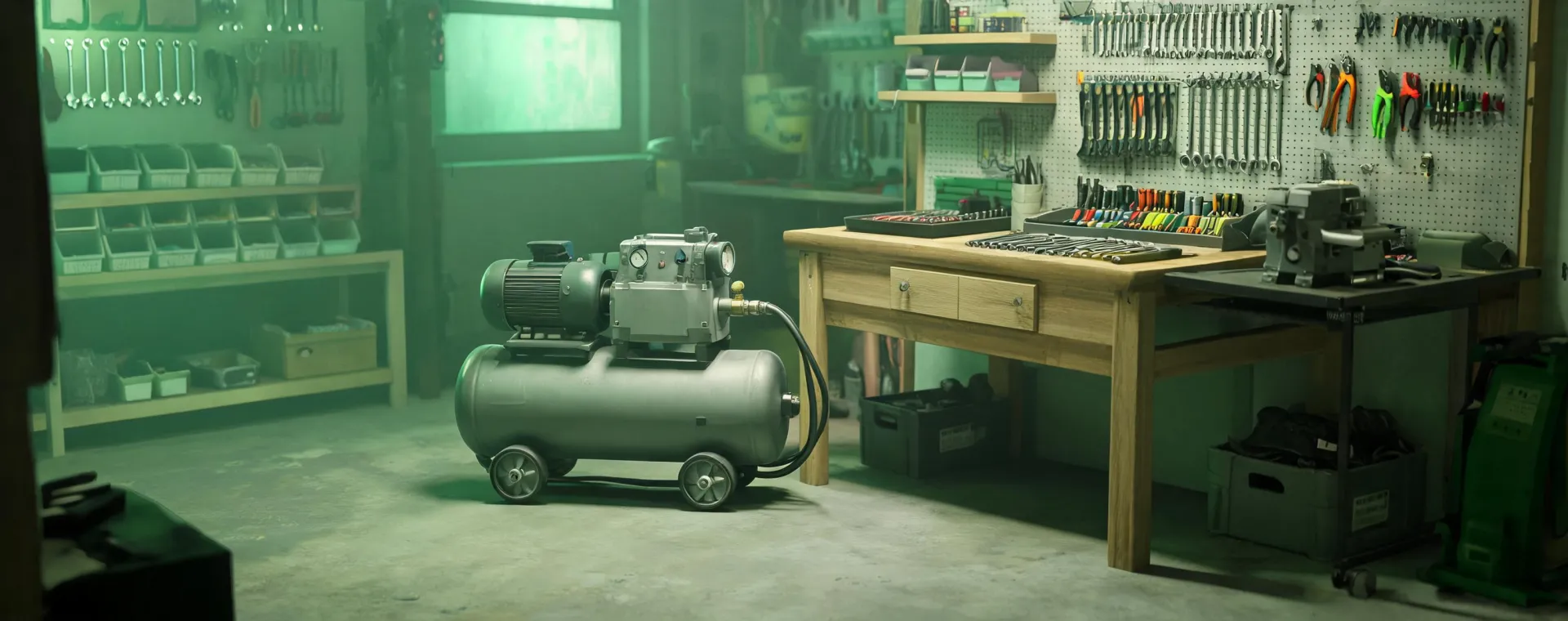
Describe the room, tool, pressure range, and run pattern. We will help translate that situation into a practical product path.